top of page
Research + Design Advanced Studio

HOA PHONG
HOUSE
HUNI ARCHITECTURE
DA NANG,VIETNAM
MID OF VIETNAM
FARM HOUSE
2018
Introduction
The house is a manifesto of a sustainable design philosophy that harmonizes aesthetics and environmental responsibility, while minimizing the carbon dioxide emissions index of a green building.
The living space is simple, removing separation between people and nature, allowing no border between the living space inside and the outside landscape. Hoa Phong House is a relaxing space to cure the fatigue and pressure of the hustle and bustle of urban life. Reaching back to nature, Hoa Phong relaxes, breathes fresh air, and helps the owner recover, re-energize, and continue their dedication to life.
The farmhouse is located in the hillsides outside Da Nang City, facing Hoi Khe Lake. The owner hope to revitalize the abandoned agricultural land over time, renovating, restructuring, and reinventing as a retreat house. The farmhouse has been in use by the family for three generations, as well as serving as a place to welcome friends and celebrate special occasions. The house is two level, with a a simple shape and a unique bamboo wall covering. The site includes a thatched roof canopy reminiscent of the rustic and characteristics of the local people. With a panoramic view of the Hoi Khe Lake, the architecture cleverly arranges the infinity pool as a large mirror, reflecting nature. This becomes the place for the family's leisure and playing activities.

Through the architecture, the ratios of building and nature converge, becoming soothing and emotive. The formed of the house is designed to catch the wind from all sides, and reach over the surface of the lake. The podium is made from local rough stone blocks, providing solidity and insulation.

The surrounds are perennial orchards, clean vegetable gardens, woodlands and sand dunes, becoming play areas for the children. The approach is sheltered by tropical plants such as areca and banana, becoming a scene of peaceful life with nature.


The outer shell is surrounded by thick bamboo staves, which are locally available and extremely close in life. The building shell consists of two layers of bamboo, inside and outside, with a middle waterproof layer.The air circulating between the layers creates a cooled interior environment. This shell shields the building from the impact of tropical climates and creates a comfortable living space. Under the shell the building is divided into two main functional areas.
Site Plan
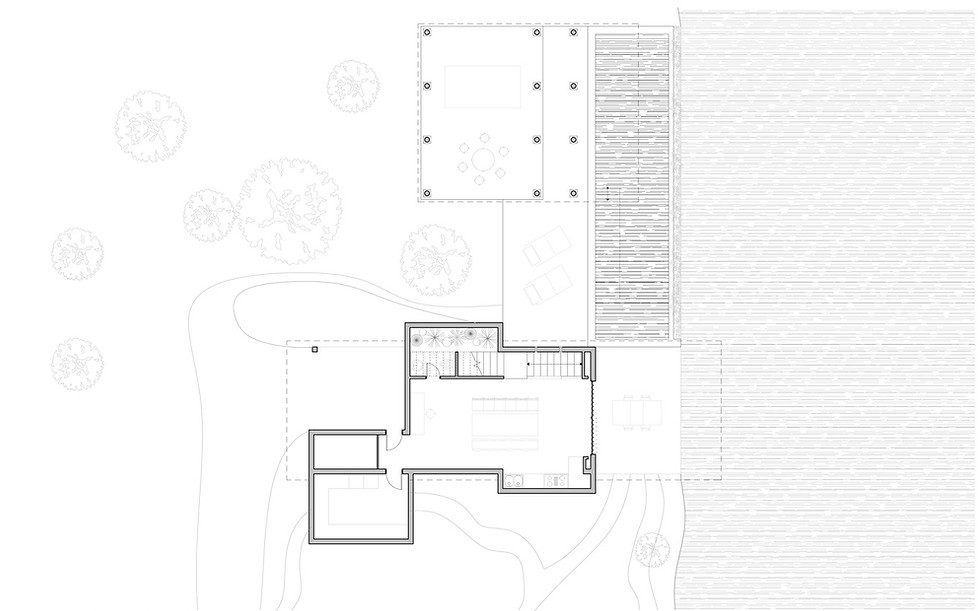
First is the ground floor and first floor, including a wine cellar, a steam room, and a kitchen with an open dinner table connecting to the lake and the pool. Green spaces are arranged alternately; a little at the bottom of the stairs and a little in the kitchen, bringing life to the spaces.

First Plan
The second functional area is on the second floor, having a unique approach created by a fresh grass hill dotted with tropical flowers. Walking up the hill one reaches a porch sheltered by an entwined bamboo frame.

Second Plan


The house’s entrance is the living room, with the façade made of rough block-work arranged intentionally to ventilate and catch sunlight for the interior spaces. The following spaces are two consecutive bedrooms, with rustic furniture, typical of the Vietnam countryside. The master bedroom has a fully open frontage, creating a space in direct contact with nature. The bedroom floor has span beams reaching 4.5m without columns, accommodating the open dining space below. The balcony floor is tempered glass, creating a unique feeling when viewed from the top, like floating in the middle of the lake.
Sections
Elevation

CLIMATE

ANALYSIS
Da Nang, located on Vietnam’s central coast, has a tropical monsoon climate with two main seasons.
Dry Season (January–July): Generally sunny and hot, with temperatures rising from about 21–23 °C in January–March to 35–37 °C in May–July. Rainfall is minimal during this period.
Rainy Season (August–December): Marked by frequent and heavy rainfall, especially in October–November, when typhoons may occur. Temperatures remain warm (24–29 °C) but humidity is high.

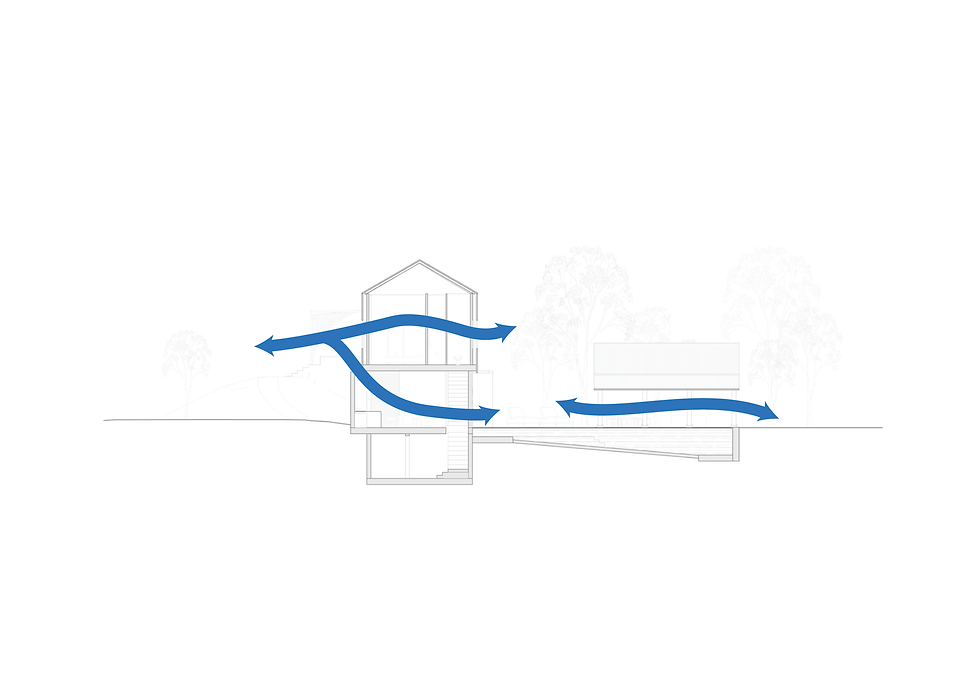


Ventilation System Analysis

Solid Wall
Summer Wind
Winter Wind
Airflow
Nodes For Ecology System
Materials

natural bamboo board----exterior facade
natural bamboo----hollow windows
adobe brick----hollow walls for living room
Jotun white coating----interior walls
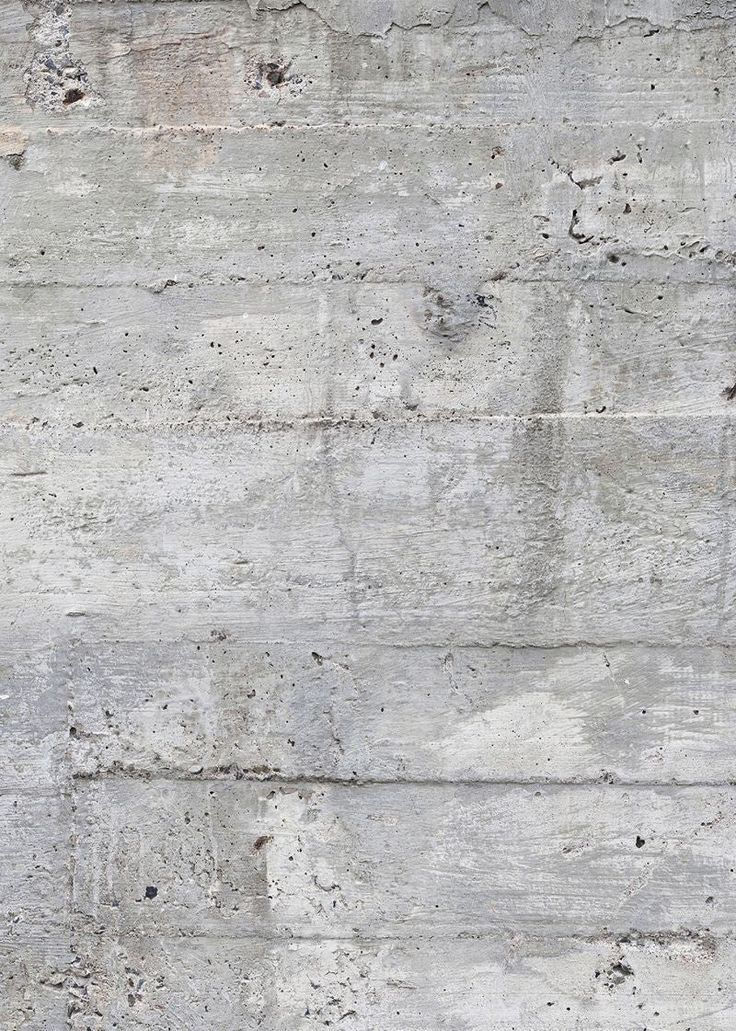
rough concrete blocks----beams and terrace
coconut leaves----pavillion roof
bamboo----shutters
natural rough stone----interior walls
wood-pavillion structure




bottom of page