Research + Design Advanced Studio
SOW, REAP, REPEAT




Grounded Conditions:
Introducing the Site as System


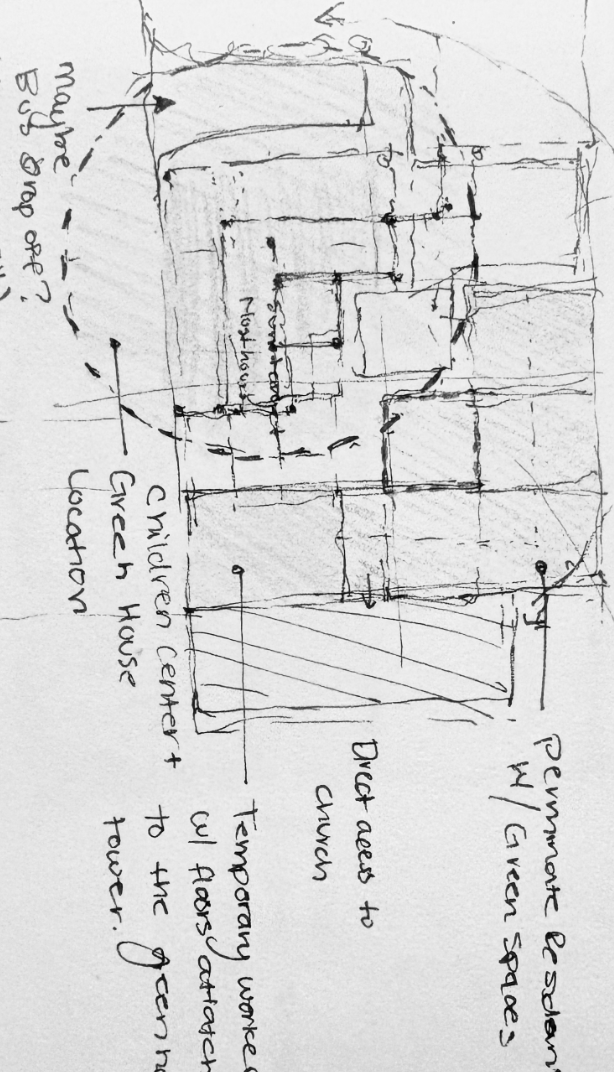
Chester Farm is more than a place to work—it’s a place where people live, even if only for a season. Our site analysis looked closely at how the land supports daily life: where people sleep, cook, gather, and move. We studied the atmosphere of the site, noticing what feels welcoming and what doesn’t. Some areas are well-used and naturally connected, while others feel isolated or underutilized. The goal is to improve not just the layout, but the experience of living here. That means designing housing and infrastructure that support comfort, privacy, and community—like shared kitchens, shaded gathering spaces, and better access to water and tools. By understanding how the site works and how it feels, we can build systems that make Chester Farm a place where people can live well and work together.
What do we look at?
The site was studied not just as farmland, but as part of a larger residential and ecological network. Attention was given to how it interacts with the surrounding neighborhood regarding its visibility, access points, and the way it connects or disconnects from nearby homes, roads, and shared spaces. This approach shifted the focus from isolated worker housing to a more integrated, community-aware design. By observing how people might arrive, gather, and move through the site—not just to work, but to live—we began to identify opportunities to strengthen its relationship with the environment and the town. The goal is to design housing and infrastructure that feel like part of the neighborhood: open, connected, and responsive to both the rhythms of farm life and the needs of a broader community.

The Design
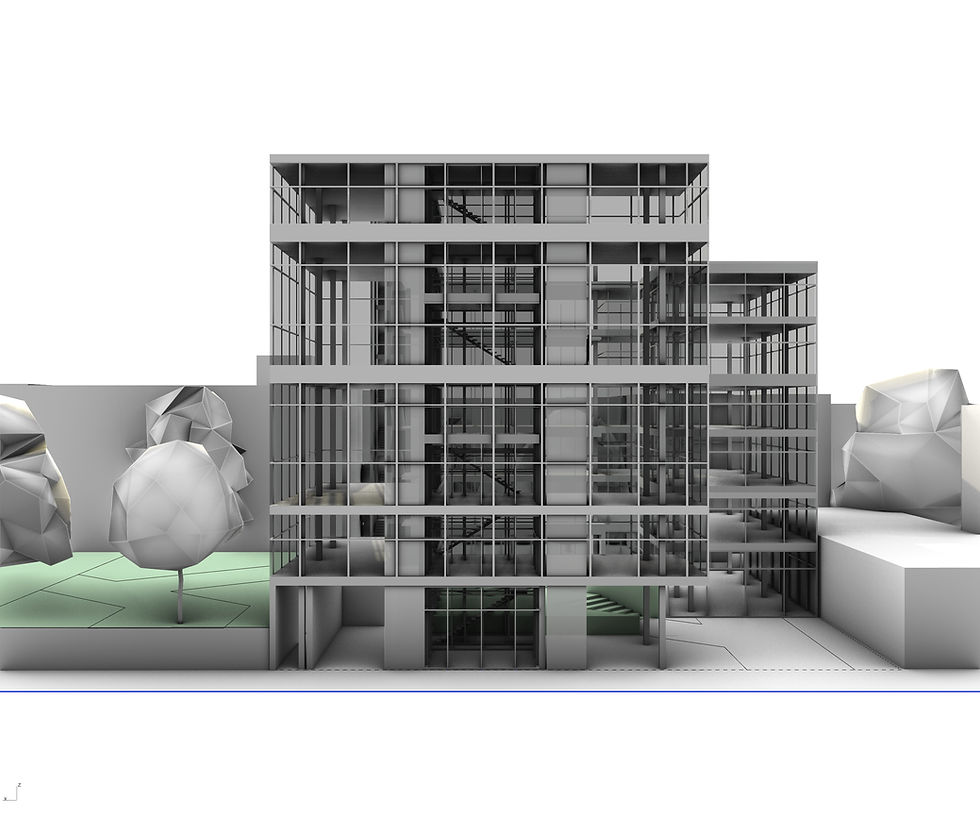
This research began with a focused investigation into the spatial and infrastructural conditions surrounding temporary agricultural labor, examining how farming practices intersect with housing, mobility, and community formation. Through site visits, precedent analysis, and documentation of seasonal worker accommodations, the study revealed a persistent disconnect between the rhythms of agricultural labor and the rigidity of conventional residential design. The findings emphasized the need for adaptable, identity-responsive living systems—ones that can accommodate not only the temporality of farm work, but also the cultural, familial, and social preferences of diverse user groups.
Site Plan Analysis


This research began with a focused investigation into the spatial and infrastructural conditions surrounding temporary agricultural labor, examining how farming practices intersect with housing, mobility, and community formation. Through site visits, precedent analysis, and documentation of seasonal worker accommodations, the study revealed a persistent disconnect between the rhythms of agricultural labor and the rigidity of conventional residential design. The findings emphasized the need for adaptable, identity-responsive living systems—ones that can accommodate not only the temporality of farm work, but also the cultural, familial, and social preferences of diverse user groups.
Master Plan


Housing Unit Plans
This research began with a focused investigation into the spatial and infrastructural conditions surrounding temporary agricultural labor, examining how farming practices intersect with housing, mobility, and community formation. Through site visits, precedent analysis, and documentation of seasonal worker accommodations, the study revealed a persistent disconnect between the rhythms of agricultural labor and the rigidity of conventional residential design. The findings emphasized the need for adaptable, identity-responsive living systems—ones that can accommodate not only the temporality of farm work, but also the cultural, familial, and social preferences of diverse user groups.


Housing Unit Specificities


Model Images


